Getting a new air conditioner installed is one of those oddly satisfying home projects. The house gets quieter, energy bills can drop, and you stop racing for shade at the smallest hint of humidity. But installation day can be disruptive if you treat it like a bake sale and not a renovation. This guide walks you through sensible, experience-based steps to prepare your home for AC installation in Canton MA. It covers what to expect from a reputable HVAC contractor, practical prep tasks for homeowners, common trade-offs, and a short checklist to hand to the crew when they arrive.
Why preparation matters An AC installation is not just about swapping an outdoor unit. Technicians evaluate ductwork, electrical capacity, refrigerant lines, drainage, and access. When your home is ready, the crew spends less time clearing obstacles and more time installing and testing the system. That translates into lower labor hours, fewer surprises, and a better chance your warranty remains intact. I’ve overseen installations where simple prep saved homeowners hundreds of dollars and a full day of disruption.
A realistic timeline Most professionally done installations in single-family homes take one to two days. A straightforward change-out of an existing system, where the outdoor condenser and indoor coil are replaced without modifying ductwork or electrical, typically finishes in a day. If you need a new condenser location, significant electrical upgrades, or ductwork repairs, plan for two to three days and occasional follow-up visits.
Weekend installations can be scheduled, but expect limited availability and possible premium charges for extended hours. In Canton MA, summer demand peaks between late May and early September. Booking early, especially if you want high-efficiency models or specific brands, secures a better window and usually prevents rush-related rush decisions.
Choosing the right contractor A competent HVAC contractor is half the battle. Look for licensed, insured technicians with local references. If you call Green Energy AC Heating & Plumbing Repair or another local provider, ask about their experience in Canton MA specifically. Climate and housing stock matter. Older Cape Cods and early 20th century colonials often hide quirks that suburban split-levels do not.
Good questions to ask before the crew arrives include this short list:
Will you be performing a load calculation on-site, and can I see the results? Are the refrigerant lines precharged for my house, or do you charge on-site? Who is responsible for permitting and disposal of old equipment? What steps will you take to protect floors, landscaping, and interiors?Those questions expose whether the contractor plans a cookie-cutter install or a thoughtful, site-specific job.
Practical prep for inside the house Start with a 10-minute walkthrough. Walk every room that connects to the installation area and look for obvious obstacles. Move small furniture, pictures, and houseplants away from the furnace closet or the attic access. If the crew needs to work near finished floors, cover the path from the entry door to the work area with old towels or contractor-grade floor protectors. Most reputable crews bring protective materials, but having an extra layer prevents sanding grit, grease stains, or footprints from ruining a new rug.
Clear at least three to five feet of space around the furnace, air handler, or attic access. Technicians need room to bring tools and sometimes to lay out components. If you have a hot water heater, oil tank, or other mechanical equipment next to the air handler, point them out. These items can influence duct routing or require temporary disconnection.
Labeling vents and returns is a small step that yields big benefits. Tape a note on registers that you want closed or redirected. If a previous homeowner painted over labels or removed risers, documenting how vents were previously balanced helps the technician preserve your airflow patterns. If you have a programmable thermostat that was recently installed, leave it accessible to the tech. Modern systems often tie into smart thermostats, and the contractor will need to confirm compatibility and install any required adapters.
Outdoors: what to do around the condenser location The outdoor unit needs a flat, stable pad with good airflow on all sides. If your yard has shrubs, remove or prune them so there is at least two feet of clearance on the sides and five feet above. Many plants look fine near a condenser but become dust and pollen traps that degrade performance in one season. Also, make a clear path from the driveway to the unit. Technicians frequently carry heavy items and will appreciate a direct route free of hoses, toys, and garden tools.
If the planned condenser site sits on a slope or a soft surface, consider asking the contractor to pour a concrete pad or set plastic leveling pads. Concrete pads cost more up front but offer stability and silence that plastic pads may not match in the long run. For tight spaces such as between houses, let the contractor know so they can plan for lift equipment or scissor lifts if necessary.
Electrical readiness and safety A new condenser often requires a dedicated 240-volt circuit. Check your breaker panel ahead of time to see if there is an available slot and whether the panel has clear labeling. If your electrical panel is a knob-and-tube or older than 30 years, expect the technician to recommend an electrical inspection. Upgrading a panel or adding a subpanel adds time and cost but is non-negotiable for safety and code compliance.
If you suspect old wiring, schedule an electrician to visit before the installation day. The contractor can often coordinate with a licensed electrician, which streamlines permits and inspections. If an electrician must come back on a separate day, you could face two service calls. That is avoidable with prior coordination.
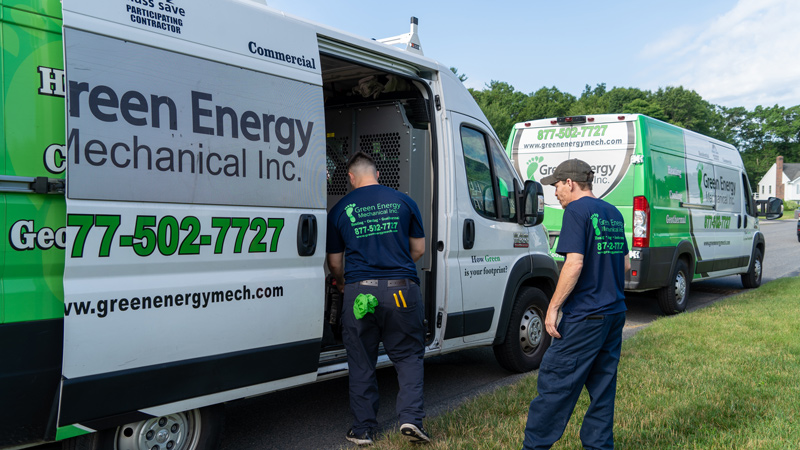
Protecting pets, people, and valuables Pets are a major on-site variable. Cats often hide in attics, and dogs may be anxious around strangers and tools. Arrange for pets to be off-site or securely confined away from the work zones. Inform technicians if you have backyard chickens or an alarm system that could be triggered by ladders or open gates. Tell them where keys or codes are, and mark fences or gates that should remain closed.
Move valuable or fragile items from rooms adjacent to the work area. Vibrations from drilling and ladder work can jar picture frames and glass. If the installation will require attic access, secure loose insulation around vapor barriers, and tape down fragile items in storage.
Documentation and permits Permits protect you and the contractor by ensuring installations meet safety and energy codes. Ask the HVAC contractor whether they pull permits in Canton MA and how they handle inspections. Most established companies take care of permits and arrange for municipal inspections. If the contractor suggests skipping permits to save money, consider it a red flag.
Keep the sales paperwork, the equipment serial numbers, and the model specifications handy. When the technician completes the job, they should leave a start-up report and warranty information. Read the warranty fine print. Manufacturer warranties will often be void if a non-certified technician works on the system or if required start-up documentation is missing.
What to expect during the install On arrival, the crew should perform a short jobsite walk-through with you. They will identify the outdoor pad, the route for refrigerant lines, the indoor coil location, and potential obstacles. If you have had a recent Ac repair in Canton MA or HVAC repair elsewhere, mention it. Prior repairs may change how technicians route new equipment or connect controls.
Installation steps typically include disconnecting the old units, setting the new condenser and pad, running refrigerant lines and electrical, hanging the new coil or air handler, making duct connections, vacuuming and charging the refrigerant lines, and running a full system start-up and test. Expect the technicians to measure static pressure, verify airflow, and demonstrate the thermostat operation.
If anything on the start-up test looks off from a comfort or efficiency standpoint, speak up. Sometimes initial readings indicate a need for duct balancing or a filter change. A good technician explains findings in plain language and offers options rather than blanket statements.
Ductwork and airflow considerations Many homeowners underestimate the importance of ductwork. Even the highest efficiency condenser cannot perform when ducts leak 20 to 40 percent of conditioned air. Technicians should inspect accessible duct seams and measure return vs supply airflow. Common fixes include sealing with mastic, replacing old flex ducts with insulated rigid ones, or adding return paths where rooms are pressure-starved.
Expect trade-offs. Sealing ducts may raise static pressure slightly and reveal undersized return ducts. Adding return ducts improves comfort but costs more and can require wall or ceiling work. Prioritize sealing and simple improvements to start, then consider more invasive upgrades if performance remains poor. If you have had AC maintenance or AC repair in Canton MA recently, provide those records; they help the technician identify chronic issues.
Filter choices and ongoing maintenance A final but crucial step is choosing the right filter and agreeing on an ongoing maintenance plan. High-MERV filters capture small particles but can restrict airflow on systems that aren’t designed for them. Unless your contractor confirms compatibility, avoid jumping to the highest MERV rated filters. A balanced recommendation is MERV 8 to 11 for most homes, with MERV 13 and above reserved for systems explicitly engineered for it.
Set clear expectations with your contractor about regular maintenance. An annual professional tune-up is a minimum. In Canton MA, consider two visits annually if you have high pollen seasons, pets, or a wood stove. Routine maintenance extends the life of the compressor, reduces energy use, and keeps warranty obligations intact.
A short homeowner checklist to hand to the crew
Clear three to five feet of space around indoor equipment and a two-foot radius around the outdoor unit. Label vents, make thermostat accessible, and secure pets off-site. Confirm permit responsibility and whether the contractor arranges inspections. Point out electrical panel access and any older wiring concerns. Show where to park and the best route to the backyard to protect landscaping.Common pitfalls and how to avoid them One frequent pitfall is treating the installation as purely transactional. A low bid that omits a load calculation, duct inspection, or permitting can lead to higher long-term costs. Another mistake is ignoring homeowner responsibilities. Simple things like blocking pathways or failing to disclose an attic full of stored boxes slows the crew and can invite damage.
A less obvious issue is mismatch between indoor and outdoor components. Resist pressure to buy a top-of-line condenser while keeping a decades-old air handler. Component mismatches can reduce efficiency and void warranties. If a contractor recommends reusing an old component, ask for documented reasoning including expected life remaining and performance trade-offs.
Why local experience matters Canton MA sits in a New England climate that cycles from humid Ac repair summers to cold, sometimes wet winters. Local contractors understand how systems perform across seasons, and they can advise on heat pump options, winter defrost cycles, and freeze protection for condensers. Providers such as Green Energy AC Heating & Plumbing Repair emphasize local knowledge and often offer combined heating and AC packages that improve year-round performance.
Anecdote from the field I remember one homeowner who insisted on placing the condenser where the shrubs best masked it from the street. The crew installed it quickly on a patch of loam and left. The first winter, the unit settled unevenly, vibration noise developed, and the contractor had to pour a new concrete pad and reconnect lines. The lesson was simple. The initial savings for a hidden location vanished, and the homeowner felt needlessly inconvenienced. Site-specific decisions are worth a little patience and planning.
Final thoughts on value and comfort AC installation is an investment in comfort, health, and energy savings. The right preparation shrinks the chance of missteps, keeps crews focused during their visit, and protects your home and equipment. When you select a contractor, prioritize transparency, local experience, and clear answers to the questions about load calculation, permits, and warranties. If you are considering an AC installation or need AC maintenance or HVAC repair, schedule a walk-through first, clear the work areas, and keep the short checklist above handy for the crew.
If you want recommendations for specific models, help understanding efficiency ratings, or a second opinion on a quote, a local HVAC contractor such as Green Energy AC Heating & Plumbing Repair can run numbers on projected savings and lifetime costs. Properly planned, an AC installation will feel like an upgrade you made with your eyes open.
Green Energy AC Heating & Plumbing Repair
480 Neponset St, Canton, MA 02021, United States
+1 (877) 630-3386
[email protected]
Website: https://greenenergymech.com